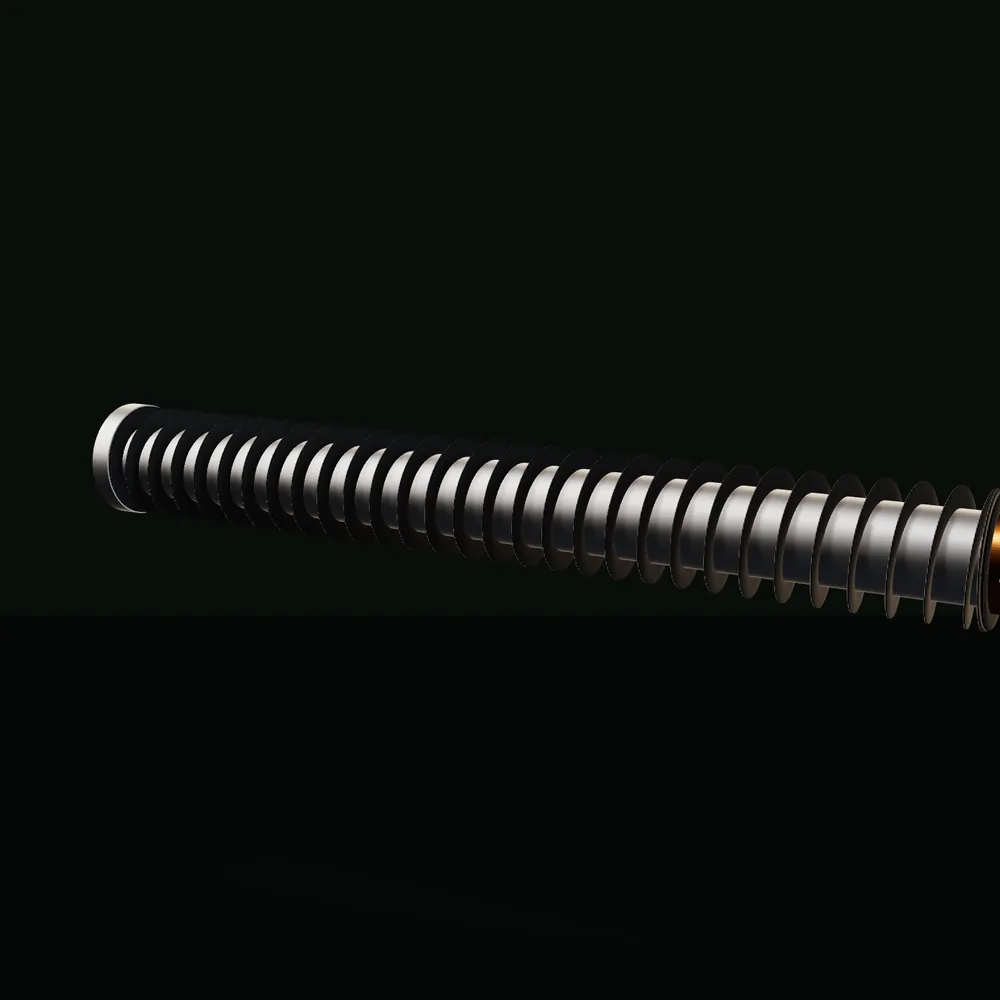
Spring Weights
Spring Weight for +P & Defensive Ammo
Your range ammo and your carry ammo don't cycle the same — here's how load changes what your spring has to do.
Your range ammo and your carry ammo don't cycle the same
Run a box of cheap 115-grain blasters, then load your carry gun with 124 +P — your slide's dealing with two very different amounts of energy, and the recoil spring is what eats the difference. If you want a quick mental yardstick, that's power factor: bullet weight in grains times velocity, divided by 1,000. Hotter, faster, or heavier-bullet loads carry a higher number and work the slide harder than light target ammo. Match the spring to what you actually shoot and the gun runs clean; get it wrong and you'll see it in your malfunctions and your brass.
Hot stuff — +P and defensive loads
+P and a lot of defensive ammo run hotter, so they cycle the slide faster and harder. On a spring that's light for that load, the slide over-travels, slams the frame, throws your brass into the next county, and wears the gun quicker over time. Guys who carry hot ammo often run a bit more spring than they would for range plinking — but how much depends on your exact gun and load, so treat that as direction, not a number, and tune it.
Light stuff — steel-case, subsonic, suppressed
Flip side: weak ammo doesn't make enough energy to work a heavy spring. Cheap steel-case, light target loads, and subsonic 147 can short-stroke — stovepipes, failures to eject, or a slide that won't lock back on empty. Screw a can on and you've got the opposite gremlin: back-pressure over-cycles the action, so you might want more spring (or a booster). Running a comp or ported barrel bleeds gas the other way. Every one of those changes what your gun wants.
Read your brass — it's a free diagnostic
Your ejection pattern is telling you what the spring is doing. Brass sailing 15 feet, flying forward, or landing all over the place means the slide's moving too fast — spring's too light for that load. Brass dribbling by your feet, stovepipes, no last-round lock-back means the spring's too heavy or the ammo's too weak. Consistent brass a few feet out around 3 to 4 o'clock, locking back every time — that's dialed in.
Dial it in, don't guess
No chart nails your exact gun-and-ammo combo — you find it by shooting it. An NDZ Tuner Pack gives you the whole range so you can run your real ammo and let the gun pick. On a carry setup, test it hard first, and check with NDZ if you're unsure.
FAQ
- Does +P ammo need a heavier recoil spring?
+P runs hotter and works the slide harder, so heavier is usually the right direction to keep it in check and protect the frame. Exactly how heavy depends on your gun and load — prove it by testing, or ask NDZ, instead of assuming a number.
- Why does my gun short-stroke with cheap range ammo?
Light or steel-case ammo makes less energy. If your spring's too heavy for it, the slide can't fully cycle — stovepipes, failures to eject, no lock-back on empty. A lighter spring, or hotter ammo, sorts it out.
- Does a suppressor change what spring I need?
Often, yeah. A can adds back-pressure that over-cycles the action, which can call for a heavier spring; comps and ports do the opposite by bleeding gas. Test your suppressed or comped setup on its own.
- How do I tell if my spring matches my ammo?
Watch your brass and your lock-back. Consistent ejection a few feet out to 3–4 o'clock with a slide that locks back every time means it's matched; brass flung far — or the opposite, stovepipes and no lock-back — means it isn't.
Shop NDZ Guide Rods